
Tim Sheehan / Central Valley Journalism Collaborative
Health Care Reporting Fellow-
 How much money will come to the San Joaquin Valley, and where, remains a question as the region braces for significant effects from larger reductions in Medicaid and other federal health spending.
-
 Over the first seven months of 2026, the site has received 13 citations for violations of various safety regulations, including failures to administer medications properly and residents “routinely soaked in urine.”
-
 A growing number of schools in the San Joaquin Valley have vaccination rates under 95%, a level that is considered to head off measles outbreaks.
-
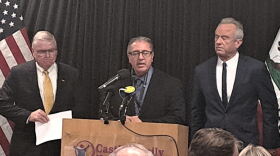
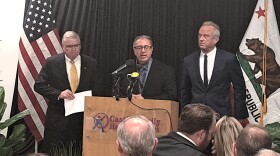 U.S. Health and Human Services Secretary Robert F. Kennedy Jr. made an appearance in Atwater, where he unveiled a new funding stream for health clinics nationwide.
-
 West Nile virus, most commonly spread through a bite from an infected mosquito, has so far been confirmed in three San Joaquin Valley residents in 2026.
-
 Expanded tax credits that helped more people pay for health insurance premiums under Covered California expired at the end of December after Congress let them lapse. That meant higher out-of-pocket costs for thousands of Valley residents.
-
 The number of senior citizens who live alone in the San Joaquin Valley has grown by more than 30% since 2012, adding to a population at increased risk to both physical and mental health.
-
 A new medical institute in Fresno is bringing advanced neuroscience treatment and research to the San Joaquin Valley, reducing the need for patients to travel to San Francisco or Los Angeles for care.
-
 An increase in seasonal agricultural work and the end of the school year in the San Joaquin Valley are expected to mean more people spending more time working and playing outside – potentially increasing the risk of contracting valley fever.
-
 California expects to save more than $300 million per year by restricting Medi-Cal dental benefits for undocumented, low-income residents. But advocates say it will come at the expense of broader health concerns and reduced access to care.


